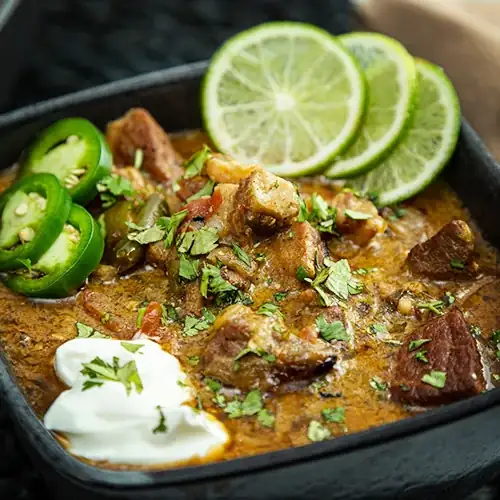
The Allure of Easy Green Chili: Authentic Flavor, Accelerated
There's a reason green chili holds such a revered place in American Southwestern cuisine. Its deep, complex flavor, often smoky and spicy, provides a comforting warmth that satisfies the soul, particularly on a chilly evening. However, the traditional methods for achieving this culinary masterpiece often involve hours of slow simmering, a luxury many of us simply don't have in our busy lives. The good news? You don't need an entire day to create a green chili that tastes like it did. This article unveils the clever shortcuts and smart ingredient swaps that allow you to capture that authentic, slow-cooked taste in a fraction of the time, making green chili an accessible delight for any home cook.
The Quest for Authentic Green Chili, Simplified
The foundation of an exceptional green chili lies in its rich, layered flavor profile – a delicate balance of heat, earthiness, and a subtle sweetness that develops over hours of slow cooking. This "marriage of flavors" is both an art and a science, and replicating it quickly can seem daunting. Many traditional recipes from Colorado and New Mexico call for specific local chiles and lengthy simmering to tenderize meat and deepen the broth. The challenge, then, is to engineer a shortcut version that doesn't compromise on that beloved bold, spicy, and complex character.
Our approach centers on maximizing flavor extraction and development in minimal time. This isn't about cutting corners in a way that sacrifices quality, but rather about leveraging smart culinary techniques and readily available ingredients to fast-track the authentic experience. Think of it as a culinary hack that respects tradition while adapting to modern lifestyles. We aim for that 'reminiscent of all-day, slow-simmered' taste, but with the convenience of an everyday meal.
Mastering Flavor: Roasting, Reduction, and Secret Weapons
The secret to creating deep, slow-cooked flavor quickly lies in understanding how those flavors develop traditionally and then finding ways to accelerate those processes. Here's how we build that complexity:
- The Power of Roasting: Authentic green chili often features fire-roasted chiles, imparting a smoky depth that's hard to beat. We extend this principle to other vegetables. Roasting your chiles (whether fresh or canned), along with aromatics like onions and garlic, caramelizes their natural sugars and intensifies their flavors dramatically. This step is non-negotiable for achieving that foundational smoky essence and creates an unparalleled depth that tastes like it's been simmering for hours.
- Simulating Reduction with Savvy Thickeners: Traditionally, green chili thickens as its liquid reduces, concentrating the flavors. We can simulate this effect efficiently.
- Flour or Cornmeal: A small amount (1-2 tablespoons) of flour or cornmeal, added and cooked briefly at the beginning, can provide a natural thickening that helps the stew achieve that satisfying, clingy texture. Cornmeal, in particular, also adds a subtle, earthy Southwest note that enhances the overall flavor profile.
- Cream Cheese: For those who prefer a creamy green chili, a block of cream cheese melted in at the end offers a luscious texture and also mellows the heat beautifully, creating a party-ready dish with a delightful richness.
- The "Million-Dollar" Shortcut: Roasted Green Tomatillo Salsa: This is arguably the most impactful shortcut. A high-quality jar of roasted green tomatillo salsa brings an incredible amount of pre-developed flavor, acidity, and a touch of sweetness to the dish. It instantly adds the complex tang and depth that would otherwise require roasting and blending fresh tomatillos, chiles, and spices from scratch. Look for brands with minimal added sugars and a robust, smoky flavor profile. This single ingredient can elevate your green chili to world-champion status.
Navigating Ingredients: From Southwest to Your Kitchen
One of the biggest hurdles for home cooks outside of the American Southwest is accessing specific, regional ingredients like fresh Hatch or Pueblo chiles. But geographical limitations shouldn't deter you from enjoying delicious green chili. Adaptability is key!
- Choosing Your Chiles:
- The Gold Standard: If you're lucky enough to find them, fresh Hatch or Pueblo chiles are truly exceptional. Their unique flavor profiles are what define authentic green chili.
- Accessible Alternatives: For most, especially in regions like the "frozen tundra of Wisconsin," accessible swaps are essential. Poblano peppers are an excellent choice – they're roughly the same size as many traditional green chiles, offer a mild, earthy flavor, and are widely available. Jalapeños can be added for extra kick and their characteristic bright, grassy notes. You can also leverage high-quality canned roasted green chiles for convenience and a consistent flavor base, especially if fresh options are scarce. This approach, similar to the ingenious adaptations described in Wisconsin Green Chili: Accessible Ingredients, Big Flavor, proves that great flavor isn't limited by location.
- Meat Matters: Speed vs. Tradition:
- Traditional Pork Shoulder (or Butt): This fattier, tougher cut is traditional and, with hours of slow simmering, becomes incredibly tender and flavorful. The rendered fat adds immense richness.
- Leaner, Faster Pork Tenderloin: For a significant time-saving and healthier option, pork tenderloin is a revelation. It's lean and becomes fall-apart tender in a mere half-hour of simmering. Cut into small cubes and quickly seared before adding to the stew, it absorbs flavors beautifully without the long cook time. This swap is a game-changer for weeknight green chili.
- Vegetarian Variations: Green chili can be just as satisfying without meat. Simply omit the pork and swap in canned beans (pinto or cannellini work well), fresh corn, zucchini, or bell peppers. These additions provide texture, nutrients, and complement the robust chili flavors perfectly, making it a versatile dish for all diets.
Customizing Your Kick: Heat Levels for Every Palate
One of the beauties of making green chili at home is the ability to perfectly tailor the heat level to your preference. Whether you love a fiery blast or a gentle warmth, you're in control.
- The Mild-to-Hot Ratio: A common and effective strategy is to combine different types of chiles. A good starting point for a chili with a "definite kick" but not overwhelming heat is to use approximately 2/3 mild green chiles and 1/3 hot green chiles. For example, if using poblano and jalapeño, you might use more poblano and fewer jalapeños.
- Seed and Membrane Control: Most of the capsaicin (the compound responsible for heat) in chiles resides in the seeds and the white membranes. To reduce heat, thoroughly remove these before dicing your chiles. For more heat, leave some or all of them in.
- Cream Cheese as a Heat Moderator: As mentioned, incorporating cream cheese not only adds a wonderful creaminess but also significantly tames the spice, making the green chili more approachable for those sensitive to heat. Dairy products, in general, are excellent at neutralizing capsaicin.
- Serving a Crowd with Varying Preferences: If you're hosting a party, consider the smart strategy of preparing two batches. One can be made with all mild chiles for those who prefer a gentler flavor, while the other can be a half-mild, half-hot blend for the "real chile heads" in your group. This ensures everyone can enjoy a bowl tailored to their spice tolerance. For more detailed strategies on managing heat for a diverse audience, check out our guide on Crafting Green Chili: Customizable Heat for Every Party.
- Garnish for Customization: Offer an array of garnishes that can further adjust the heat or enhance the experience, such as sour cream, fresh cilantro, avocado slices, shredded cheese, or even a dollop of plain Greek yogurt.
Conclusion
Embarking on the journey of making green chili at home doesn't have to be an all-day affair. By embracing clever shortcuts like roasting vegetables, utilizing effective thickeners, and incorporating powerhouse ingredients like roasted green tomatillo salsa, you can achieve an authentic, deeply flavorful experience in a fraction of the traditional time. Whether you opt for a leaner cut of pork or a hearty vegetarian version, and whether you prefer a subtle warmth or a fiery kick, this adaptable recipe empowers you to create a personalized bowl of comfort that truly satisfies. So, go ahead, gather your ingredients, and prepare to be wowed by your own easy yet incredibly authentic green chili!
